
How Cars and Motorcycles Are Being Adapted for Hybrid Work
Anúncios
Cars and Motorcycles Are Being Adapted for Hybrid Work!
In an era where work no longer confines itself to a single location, vehicles are stepping up as versatile allies.
As more professionals juggle office days with remote setups, cars and motorcycles are being adapted for hybrid work in ways that blend mobility with productivity.
Anúncios
This shift isn’t just about getting from point A to B; it’s about transforming commutes into seamless extensions of the workday.
See below!
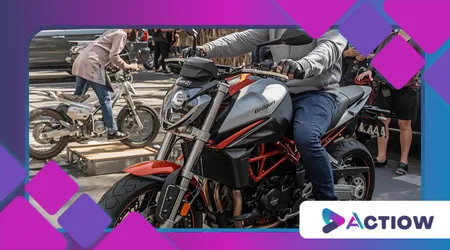
Cars and Motorcycles Are Being Adapted for Hybrid Work, Summary of Topics Covered:
- What Is Hybrid Work and How Does It Influence Daily Mobility?
- How Are Cars Being Adapted for Hybrid Work Demands?
- How Are Motorcycles Being Adapted for Hybrid Work Lifestyles?
- What Are the Key Advantages of These Vehicle Adaptations?
- What Challenges Arise and How Can They Be Overcome?
- Frequently Asked Questions
++ The Future of In-Car Payments: Toll Roads, Gas, and More
What Is Hybrid Work and How Does It Influence Daily Mobility?
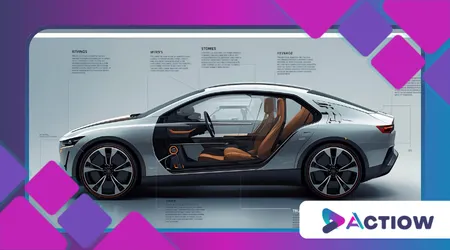
Hybrid work combines in-office presence with remote flexibility, allowing employees to split their time between home, corporate spaces, and sometimes even on-the-go locations.
This model has surged in popularity, reshaping how people structure their routines.
For instance, instead of rigid nine-to-five commutes, workers might head to the office mid-morning after handling emails from home.
++ Holographic Displays in Cars: Sci-Fi or the Next Normal?
However, this variability demands transportation that accommodates unpredictable schedules.
Moreover, hybrid arrangements often lead to shorter, more frequent trips rather than long daily hauls.
Professionals might drive to a co-working space one day and stay home the next, reducing overall mileage but increasing the need for efficient, multi-purpose vehicles.
In addition, the blend of personal and professional life means commutes can double as productive time, prompting adaptations in how vehicles support tasks like virtual meetings or quick document reviews.
Furthermore, this evolution ties into broader societal changes, such as urban planning that favors mixed-use developments.
Isn’t it intriguing how the very machines that transport us are evolving to become extensions of our workspaces?
As a result, mobility patterns are becoming more dynamic, with data showing that 83% of workers globally prefer hybrid setups for their balance of collaboration and autonomy.
How Are Cars Being Adapted for Hybrid Work Demands?
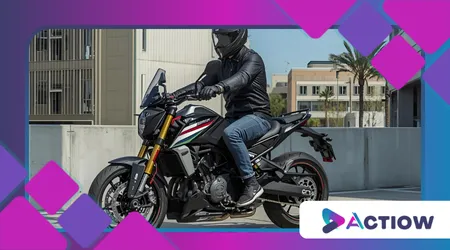
Cars are being adapted for hybrid work through enhanced connectivity features that turn them into rolling offices.
For example, manufacturers are integrating high-speed WiFi hotspots and voice-activated assistants, allowing drivers to join video calls hands-free during lighter traffic periods.
++ Car Dash Cams Reviewed: Best Features for Safety
However, safety remains paramount, with systems that pause notifications when speeds increase.
In addition, interior designs now prioritize ergonomic workspaces, such as fold-down trays in rear seats for laptop use or adjustable lighting for reading documents.
Moreover, electric and plug-in hybrid models offer quiet cabins, minimizing engine noise that could disrupt concentration.
This adaptation not only boosts efficiency but also aligns with sustainability goals, as reduced idling during remote sessions conserves energy.
Furthermore, some vehicles incorporate modular storage for work gear, like secure compartments for tablets and chargers.
Take, for instance, a conceptual mid-size sedan equipped with a retractable desk surface over the passenger seat and built-in power outlets rated for heavy-duty laptops—this original design enables quick setup for impromptu work stops at cafes or parks, bridging the gap between home and office seamlessly.
What Specific Technologies Are Driving These Changes?
Advanced infotainment systems are at the forefront, featuring larger touchscreens that sync with work calendars and email apps.
However, integration with cloud services ensures data security, preventing breaches during mobile use.
In addition, AI-driven route planners suggest paths with reliable cell coverage for uninterrupted connectivity.
Moreover, regenerative braking in hybrid cars extends battery life, supporting prolonged use of onboard electronics without draining fuel.
Furthermore, over-the-air updates allow for continuous improvements, such as adding new productivity apps tailored to hybrid workers’ needs.
How Do These Adaptations Compare Across Vehicle Types?
To illustrate variations, consider the following table comparing adaptations in sedans versus SUVs:
| Vehicle Type | Connectivity Features | Workspace Ergonomics | Energy Efficiency for Hybrid Use |
|---|---|---|---|
| Sedans | Built-in 5G hotspots, seamless smartphone mirroring | Foldable trays, adjustable seats for desk mode | Up to 50 MPG in hybrid modes, ideal for short commutes |
| SUVs | Multi-zone WiFi, rear entertainment screens for calls | Spacious rear benches convertible to workstations | Larger batteries for extended electronic support, around 40 MPG |
This comparison highlights how SUVs offer more room for collaborative setups, while sedans excel in agility for urban hybrid routines.
How Are Motorcycles Being Adapted for Hybrid Work Lifestyles?
Motorcycles are being adapted for hybrid work by focusing on lightweight, tech-savvy accessories that enhance portability without compromising speed.
For starters, riders can now equip bikes with weatherproof mounts for tablets, enabling quick checks of work emails at stoplights.
However, these mounts include vibration dampeners to protect devices from road shocks.
In addition, electric motorcycles gain traction for their silent operation, perfect for early-morning departures that don’t disturb home-based work setups.
Moreover, app integrations allow for real-time traffic alerts synced with work schedules, optimizing routes for timely arrivals.
Furthermore, storage solutions have evolved, with expandable panniers designed to securely hold laptops and documents.
As an original example, imagine a commuter motorcycle fitted with a custom aerodynamic backpack that doubles as a standing desk when parked—this innovative setup includes solar-powered charging ports, allowing riders to power up gadgets during brief outdoor breaks, effectively turning public spaces into temporary offices.
What Role Do Electric Components Play in Motorcycle Adaptations?
Electric assist systems in hybrid motorcycles reduce fatigue on longer rides, preserving energy for work tasks upon arrival.
However, they also enable regenerative charging, harnessing kinetic energy to top up batteries for device use.
In addition, lightweight lithium-ion packs integrate seamlessly, maintaining the bike’s balance.
Moreover, smart helmets with built-in Bluetooth facilitate hands-free calls, bridging the communication gap during commutes.
Furthermore, these adaptations promote eco-friendly commuting, aligning with corporate sustainability policies that many hybrid workers encounter.
How Do Safety Features Integrate with Work-Focused Adaptations?
Safety enhancements include automatic speed limiters that engage during device interactions, preventing distractions.
However, sensors detect rider posture, alerting to fatigue that could stem from back-to-back hybrid shifts.
In addition, anti-theft systems protect work equipment stored on the bike.
What Are the Key Advantages of These Vehicle Adaptations?
These adaptations offer enhanced productivity by minimizing downtime between work modes.
For hybrid professionals, a car or motorcycle that supports seamless transitions means less stress from fragmented schedules.
However, the real gain lies in time savings—remote employees already save an average of 40 minutes daily from reduced commuting, and adapted vehicles amplify this by turning travel into usable hours.
In addition, environmental benefits emerge as hybrid-friendly vehicles encourage efficient driving patterns.
Moreover, cost reductions follow, with lower fuel consumption and maintenance needs freeing up budgets for work tools.
Furthermore, think of these vehicles like Swiss Army knives—versatile tools that adapt to multiple functions without losing their core purpose.
This analogy underscores how cars and motorcycles provide not just transport but a multifaceted support system for hybrid lifestyles.
Why Do These Advantages Outweigh Traditional Commuting Options?
Traditional vehicles often force a stark divide between travel and work, leading to inefficiency.
However, adapted ones blur these lines intelligently, fostering better work-life integration.
In addition, they cater to diverse needs, from solo riders to family commuters.
Moreover, user satisfaction spikes, as evidenced by surveys showing higher engagement among those with tech-enabled rides.
Furthermore, scalability ensures these features evolve with work trends.
What Long-Term Impacts Can We Expect?
Over time, these adaptations could reduce urban congestion by promoting flexible travel times.
However, they also spur innovation in related industries, like app development for vehicle-work syncing.
In addition, societal shifts toward greener mobility gain momentum.
What Challenges Arise and How Can They Be Overcome?
One major challenge is ensuring data privacy in connected vehicles, as work-related information flows through onboard systems.
However, robust encryption protocols and user-controlled access can mitigate risks effectively.
In addition, battery life limitations in electric adaptations might hinder long commutes.
Moreover, investing in fast-charging infrastructure addresses this, allowing quick recharges during work breaks.
Furthermore, cost barriers for premium features exclude some users.
However, subsidies from employers recognizing hybrid benefits can democratize access, turning challenges into opportunities for inclusive growth.
How Can Regulations Support These Adaptations?
Governments could incentivize through tax breaks for adapted vehicles.
However, standardized safety guidelines ensure consistent quality. In addition, public-private partnerships accelerate infrastructure development.
Moreover, education campaigns inform users on best practices, reducing misuse.
Furthermore, ongoing research refines adaptations based on real-world feedback.
What Future Innovations Might Address Remaining Gaps?
Emerging tech like augmented reality dashboards could enhance navigation for work routes. However, autonomous features might allow full focus on tasks during drives.
In addition, sustainable materials in builds align with eco-conscious hybrid workers.
Cars and Motorcycles Are Being Adapted for Hybrid Work: Frequently Asked Questions
To address common curiosities, here’s a table summarizing key doubts:
| Question | Answer |
|---|---|
| How do these adaptations affect vehicle insurance? | Insurers often offer discounts for safety-enhanced models, but added tech might increase premiums slightly—check with providers for hybrid work-specific policies. |
| Are there tax incentives for purchasing adapted vehicles? | Yes, in many regions, deductions apply for eco-friendly hybrids, especially if used for business commuting. |
| Can older cars or motorcycles be retrofitted? | Absolutely, aftermarket kits for WiFi and mounts are available, making upgrades accessible without buying new. |
| What about maintenance for these features? | Regular software updates and battery checks suffice, often covered under extended warranties. |
| How do they impact resale value? | Enhanced tech boosts appeal, potentially increasing value by 10-15% for well-maintained units. |
In conclusion, as cars and motorcycles are being adapted for hybrid work, they redefine mobility’s role in professional life.
For deeper insights, explore these relevant links: