
Los Kei Cars japoneses: tamaño pequeño, gran impacto
Anuncios
Los Kei Cars japoneses!
En las bulliciosas calles de Japón, donde el espacio es un lujo y la eficiencia reina suprema, los Kei Cars japoneses se destacan como soluciones ingeniosas que ofrecen una utilidad notable en marcos compactos.
Es más, a medida que nos acercamos a 2025, estos vehículos continúan dando forma a la movilidad, demostrando que los diseños diminutos pueden tener una influencia enorme en la sociedad y la economía.
Anuncios
¡Sigue leyendo!
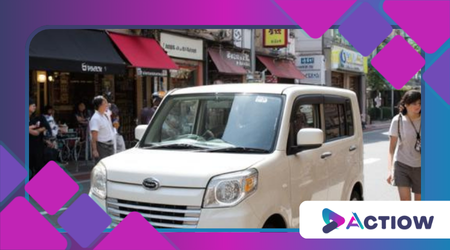
Los Kei Cars japoneses: Resumen de los temas tratados
- ¿Qué son los Kei Cars japoneses?
- ¿Por qué se introdujeron los Kei Cars japoneses?
- ¿Cómo han evolucionado las regulaciones del Kei Car a lo largo del tiempo?
- ¿Qué ventajas ofrecen los Kei Cars a sus propietarios?
- ¿Qué coches Kei notables demuestran su impacto significativo?
- ¿Qué impacto han tenido los Kei Cars en el panorama automovilístico de Japón?
- Preguntas frecuentes sobre los Kei Cars japoneses
++ Por qué Ferrari casi se vende a Ford (y qué lo detuvo)
¿Qué son los Kei Cars japoneses?
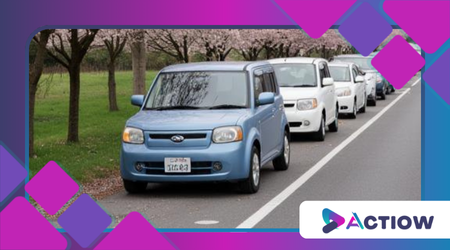
Los Kei Cars japoneses, a menudo llamados simplemente vehículos “Kei”, representan una categoría única de automóviles diseñados específicamente para el mercado japonés.
Además, estos coches cumplen estrictas especificaciones dimensionales y de motor, lo que los hace ideales para circular por estrechos callejones urbanos y paisajes urbanos abarrotados.
Por lo tanto, para comprender los Kei Cars japoneses es necesario comenzar por reconocer su papel como opciones de transporte asequibles y de bajo consumo de combustible que priorizan la practicidad sobre la extravagancia.
++ ¿Deberías encerar un coche eléctrico? Últimos consejos del sector
Sin embargo, más allá de su tamaño, los coches Kei encarnan una filosofía de minimalismo fusionado con innovación.
Por ejemplo, normalmente cuentan con motores no mayores de 660 cc, pero incorporan tecnologías avanzadas como sistemas híbridos en los modelos modernos.
En consecuencia, esta combinación les permite ofrecer un rendimiento que contradice su estatura compacta, atrayendo a un amplio grupo demográfico, desde jóvenes profesionales hasta familias.
Además, los Kei Cars japoneses se extienden más allá de los vehículos de pasajeros para incluir camiones y furgonetas, ampliando su utilidad.
De hecho, esta versatilidad ha consolidado su estatus como héroes cotidianos en Japón.
Sin embargo, sus limitaciones de diseño fomentan la creatividad entre los fabricantes, lo que da lugar a funciones inteligentes que ahorran espacio y mejoran la experiencia del usuario sin comprometer la seguridad.
¿Por qué se introdujeron los Kei Cars japoneses?
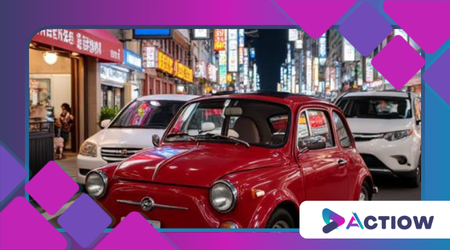
La introducción de los Kei Cars japoneses se remonta al Japón posterior a la Segunda Guerra Mundial, cuando el país buscaba reconstruir su economía y proporcionar movilidad accesible a las masas.
Además, en 1949, el gobierno estableció regulaciones para incentivar la producción de vehículos pequeños y económicos que pudieran estimular la fabricación nacional.
Así, los coches Kei surgieron como una respuesta estratégica a la escasez de recursos y a la necesidad de una rápida urbanización.
Sin embargo, esta iniciativa no se limitaba al transporte: pretendía democratizar la propiedad de automóviles en un país que se recuperaba de la devastación.
++ Cámaras de salpicadero para coche: análisis: las mejores características para la seguridad
Por ejemplo, los primeros modelos como el Subaru 360 ayudaron a las familias a poder adquirir vehículos personales, acelerando la movilidad social.
En consecuencia, en la década de 1950, los coches Kei se habían convertido en símbolos de resiliencia, demostrando que políticas específicas podían impulsar el crecimiento industrial.
Además, las consideraciones ambientales y espaciales desempeñaron un papel fundamental. En zonas densamente pobladas, los vehículos más grandes planteaban desafíos logísticos, por lo que los vehículos Kei ofrecían una alternativa compacta.
Sin embargo, su introducción también estimuló la competencia entre los fabricantes de automóviles, fomentando innovaciones que repercutieron en toda la industria global.
¿No es fascinante cómo inventos impulsados por políticas como estos pueden transformar sectores enteros?
¿Cómo han evolucionado las regulaciones del Kei Car a lo largo del tiempo?
Las regulaciones de los kei car han experimentado varias transformaciones desde su inicio, lo que refleja el cambiante panorama económico y tecnológico de Japón.
Inicialmente, en 1949, los motores se limitaron a 150 cc para los modelos de dos tiempos, con el objetivo de hacer hincapié en la asequibilidad.
Por lo tanto, estas primeras reglas sentaron las bases para un nicho de mercado próspero.
Sin embargo, en la década de 1970, a medida que aumentaban las preocupaciones por la contaminación, las normas evolucionaron para incluir controles de emisiones más estrictos y un aumento de la cilindrada a 550 cc.
Además, en este período se introdujeron límites de potencia para garantizar la seguridad en carreteras cada vez más transitadas.
En consecuencia, los fabricantes se adaptaron perfeccionando la ingeniería y convirtiendo las limitaciones en oportunidades para ganar eficiencia.
Además, la actualización más significativa llegó en 1990, ampliando las dimensiones a 3,3 metros de longitud y los motores a 660 cc, con un límite de potencia de 64 caballos.
En los últimos años, a partir de 2025, las tendencias de electrificación han influido en las normas, permitiendo incentivos fiscales para los coches híbridos Kei.
Sin embargo, estas evoluciones mantienen el espíritu central: promover una movilidad sostenible y eficiente en el uso del espacio.
| Año | Límite de tamaño del motor | Límite de potencia | Cambios clave |
|---|---|---|---|
| 1949 | 150 cc (dos tiempos) | Ninguno | Normativa inicial para un transporte asequible después de la guerra. |
| 1976 | 550 cc | 50 caballos | Se agregaron estándares de emisiones y características de seguridad. |
| 1990 | 660 cc | 64 caballos | Dimensiones aumentadas para una mejor usabilidad; todavía vigente hoy en día. |
| 2025 | 660cc (se recomiendan híbridos) | 64 caballos | Incentivos para modelos ecológicos en medio del impulso a la electrificación. |
¿Qué ventajas ofrecen los Kei Cars a sus propietarios?
Ser propietario de un Kei Car japonés ofrece numerosas ventajas, empezando por un importante ahorro de costes.
Por ejemplo, los precios de compra más bajos, combinados con impuestos y tasas de seguro reducidas, los hacen accesibles para compradores conscientes de su presupuesto.
Por lo tanto, en un entorno de alto costo de vida como el de Japón, estos ahorros se acumulan significativamente con el tiempo.
Sin embargo, la eficiencia del combustible se destaca como otro beneficio clave, con muchos modelos logrando más de 30 km/litro gracias a una construcción liviana y motores pequeños.
Además, esta eficiencia se traduce en un menor impacto ambiental, alineándose con los objetivos globales de sostenibilidad.
De esta manera, los propietarios contribuyen a crear ciudades más verdes y al mismo tiempo disfrutan de beneficios prácticos.
Además, su maniobrabilidad en espacios reducidos proporciona una ventaja distintiva.
Imagínese a un residente de Tokio ocupado que puede estacionar sin esfuerzo en lugares donde vehículos más grandes fallan: esa es la ventaja cotidiana.
Sin embargo, los modernos coches Kei cuentan con un espacio interior sorprendente gracias a un diseño inteligente, rivalizando con modelos más grandes en comodidad sin ser tan voluminosos.
¿Qué coches Kei notables demuestran su impacto significativo?
Varios coches Kei notables resaltan cómo estos pequeños vehículos ejercen un gran impacto en la vida diaria y en la industria.
Por ejemplo, el Honda N-Box, un Kei de estilo minivan con forma cuadrada, revolucionó el transporte familiar al ofrecer puertas corredizas y asientos flexibles en un tamaño más pequeño que el de muchos autos compactos.
De esta forma, se demuestra cómo los diseños Kei pueden maximizar la utilidad, influyendo en las tendencias globales de micromovilidad.
Sin embargo, otro modelo que destaca es el Suzuki Alto, conocido por su longevidad y adaptabilidad.
En un escenario original, imagine a un fotógrafo independiente en Kioto que utiliza un Alto para desplazarse entre sitios históricos; su tamaño compacto le permite acceder a áreas restringidas y transportar su equipo de manera eficiente: un testimonio del papel de los autos Kei en el apoyo a las profesiones creativas.
En consecuencia, estos modelos ponen de relieve sus efectos económicos en cadena.
Además, el Daihatsu Mira e:S ejemplifica la electrificación en forma Kei, combinando tecnología híbrida con eficiencia tradicional.
Como ejemplo original, pensemos en un empresario rural de Hokkaido que utiliza un Mira para realizar entregas, donde sus bajos costes de funcionamiento y sus opciones de tracción en las cuatro ruedas aceleran el crecimiento del negocio en terrenos difíciles.
Sin embargo, estos coches demuestran que el tamaño pequeño no limita la ambición.
| Modelo | Fabricante | Características principales | Ejemplo de impacto |
|---|---|---|---|
| Caja N de Honda | Honda | Puertas correderas, techo alto | Impulso a la vida urbana orientada a la familia. |
| Suzuki Alto | Suzuki | Eficiencia de combustible, asequibilidad | Habilitó la movilidad de pequeñas empresas en las ciudades. |
| Daihatsu Mira e:S | Daihatsu | Sistema híbrido, diseño compacto | Fomentó la logística rural ecológica. |
¿Qué impacto han tenido los Kei Cars en el panorama automovilístico de Japón?
Los Kei Cars japoneses han tenido un profundo impacto en el panorama automovilístico de Japón al dominar las ventas nacionales e influir en las estrategias de fabricación.
Según datos recientes, los automóviles Kei representaron el 33,41 TP3T de todas las ventas de automóviles de pasajeros en el primer semestre de 2025, lo que destaca su duradera popularidad.
Por lo tanto, esta estadística revela su papel integral en el sostenimiento de la industria en medio de los cambios globales.
Sin embargo, su influencia se extiende a la innovación, impulsando a empresas como Toyota y Nissan a invertir en tecnología compacta que se traslada a los modelos internacionales.
Además, al fomentar la producción local, los coches Kei impulsan el empleo y las cadenas de suministro.
Por lo tanto, actúan como un estabilizador económico, especialmente en zonas rurales donde los vehículos más grandes son poco prácticos.
Además, desde el punto de vista medioambiental, los coches Kei reducen las emisiones generales mediante la adopción generalizada de diseños eficientes.
Piense en ellos como los teléfonos inteligentes del mundo automotriz: dispositivos compactos que revolucionaron la comunicación; de manera similar, los autos Kei han transformado la movilidad al hacerla accesible y adaptable.
Sin embargo, desafíos como la competencia de los minicoches extranjeros, como se ha señalado en análisis recientes, impulsan una evolución continua.
Además, culturalmente, los coches Kei fomentan una mentalidad ingeniosa, donde menos significa más. En la planificación urbana, su prevalencia ha moldeado la infraestructura, desde los estacionamientos hasta el diseño de las carreteras.
Por lo tanto, su gran impacto radica en redefinir la eficiencia para una nación superpoblada.
Explora más sobre las tendencias de electrificación de los autos Kei en este Informe 2025.
Para conocer detalles regulatorios, consulte la Guía comercial de EE. UU. sobre el sector automovilístico de Japón.
Además, lea sobre los desafíos emergentes en este Artículo de Reuters sobre las ambiciones Kei de BYD.
Los Kei Cars japoneses: Preguntas frecuentes
Muchos entusiastas y compradores potenciales tienen preguntas sobre los Kei Cars japoneses, especialmente con respecto a su practicidad y futuro.
Además, abordarlos aclara conceptos erróneos y resalta su valor. Por lo tanto, hemos recopilado consultas clave en una tabla para una referencia rápida.
Sin embargo, estas preguntas frecuentes se basan en información histórica y actual, lo que garantiza su precisión.
Además, cubren términos de búsqueda comunes para facilitar el descubrimiento.
Además, comprenderlos puede orientar las decisiones de los admiradores internacionales que estén considerando realizar importaciones.
| Pregunta | Respuesta |
|---|---|
| ¿Qué define a un Kei Car japonés? | Un vehículo con motor de menos de 660 cc, longitud de hasta 3,4 m y anchura de 1,48 m, que ofrece beneficios fiscales en Japón. |
| ¿Por qué son populares los Kei Cars en Japón? | Debido a los bajos costos, el fácil estacionamiento y la eficiencia en áreas concurridas, tendrá una participación de mercado del 33,4% en el primer semestre de 2025. |
| ¿Se pueden importar los Kei Cars a otros países? | Sí, pero deben cumplir con los estándares de seguridad locales; Estados Unidos permite modelos con más de 25 años de antigüedad. |
| ¿Cómo se comparan los Kei Cars con los coches normales? | Más pequeño y eficiente, pero con espacio y prestaciones sorprendentes, ideal para uso urbano. |
| ¿Cuál es el futuro de los Kei Cars? | La transición a vehículos híbridos y eléctricos enfrenta la competencia pero sigue siendo vital para la movilidad sustentable. |
Para concluir, los Kei Cars japoneses ejemplifican cómo un diseño bien pensado puede amplificar la influencia mucho más allá de los límites físicos.
Además, su historia invita a repensar la escala en la innovación. Sin embargo, a medida que evolucionan las tendencias globales, sus lecciones de eficiencia siguen vigentes.
Además, reflexionar sobre su trayectoria nos lleva a considerar soluciones adaptables a nuestros propios contextos.
Por eso, ya sea en Japón o en el extranjero, los coches Kei nos recuerdan el potencial de lo pequeño.
Además, los avances en curso, como la electrificación, garantizan su relevancia. Sin embargo, su atractivo principal —la movilidad inteligente y de alto impacto— perdura.