
قصة "سيارة البابا": كيف تطورت سيارات الفاتيكان
إعلانات
قصة "سيارة البابا"“ نادراً ما يتم الحديث عنها على أنها أكثر من مجرد أمر مثير للفضول - لكن هذا يغفل المغزى تماماً.
هذه ليست مجرد قصة مركبة؛ إنها سردية تشكلت من خلال التعرض والمخاطرة والرمزية والتفاوض الهادئ بين الحضور والحماية.
السيارة نفسها تكاد تكون ثانوية.
إعلانات
المهم هو ما يسمح به - وما يمنعه.
للوهلة الأولى، يبدو الأمر بسيطاً: سيارة مصممة لنقل البابا عبر الحشود. لكن البساطة تتلاشى بسرعة.
الظهور قوة، خاصة بالنسبة لشخصية يعتمد نفوذها على الظهور. ومع ذلك، فإن الظهور، في هذه الحالة، لطالما كان له ثمن.
يكمن هذا التوتر – بين التقارب والسيطرة – في صميم قصة "سيارة البابا"“.
تابع قراءة النص واكتشف المزيد!
ملخص
- ما هو قصة "سيارة البابا"“ ماذا يعني ذلك حقاً؟
- كيف تطورت مركبات الفاتيكان لتتجاوز مجرد الرمزية؟
- لماذا غيّرت أنظمة الأمن تصميمها بشكل دائم؟
- ما هي التقنيات التي تميز سيارات البابا الحديثة؟
- ما هي النماذج التي شكلت الرأي العام؟
- ماذا تكشف سيارة البابا عن عالم السيارات؟
- الأسئلة الشائعة
ما هو قصة "سيارة البابا"“ ماذا يعني ذلك حقاً؟
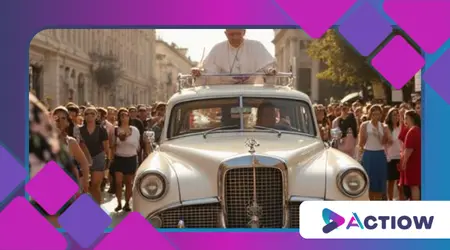
تقليل قصة "سيارة البابا"“ إن إدراج تسلسل زمني للمركبات يغفل شيئاً أساسياً.
قبل وقت طويل من إدخال المحركات في الموضوع، كانت الفكرة موجودة بالفعل: إبراز البابا، وجعله مرئياً، وخلق نقطة محورية لآلاف الأشخاص.
كانت العربات تؤدي هذا الدور بشكل جيد بما فيه الكفاية. لم تكن فعالة، لكن الكفاءة لم تكن الهدف - بل كان الهدف هو الحضور.
عندما دخلت السيارات إلى الصورة، لم يتسرع الفاتيكان.
جاء التبني المبكر مصحوباً بتردد، كما لو أن الآلة كانت بحاجة إلى إثبات أنها تستطيع حمل أكثر من مجرد جسد - كان عليها أن تحمل معنى.
كانت السيارات الأولى أنيقة، نعم، لكنها كانت لا تزال تعتمد على التقاليد. وهناك دلالة واضحة في هذا التردد.
بمرور الوقت، لم تعد المركبة مجرد وسيلة نقل، بل أصبحت أداة للتواصل.
ليس لفظيًا، ولا عقائديًا، بل بصريًا. قصة "سيارة البابا"“ يتناول هذا الموضوع، من نواحٍ عديدة، كيف يمكن لجسم متحرك أن يشكل الإدراك دون أن ينطق بكلمة.
++ لماذا كانت سيارة جاي لينو المفضلة تعمل بالبخار؟
كيف تطورت مركبات الفاتيكان لتتجاوز مجرد الرمزية؟
لم يحدث هذا التحول بين عشية وضحاها.
كانت النماذج الأولى في الأساس سيارات فاخرة معدلة، غالباً ما كانت تُتبرع بها، مما عزز العلاقات بين الفاتيكان وشركات صناعة السيارات الكبرى بهدوء.
كانت هذه المركبات تعكس المكانة المرموقة، لكنها لم تُصمم مع وضع الحشود في الاعتبار.
ثم تغير شيء ما. بحلول منتصف القرن العشرين، بدأ التصميم يستجيب بشكل أقل للتقاليد وأكثر للظروف.
المنصات المفتوحة، والمقاعد المرتفعة، والهياكل المعدلة - لم تكن هذه خيارات جمالية. بل كانت استجابات وظيفية لتزايد التجمعات العامة.
ال قصة "سيارة البابا"“ بدأنا نبتعد عن الأناقة ونتجه نحو الغاية.
هناك تفصيل دقيق ولكنه مهم هنا: لقد أثر كل بابا على المركبة بشكل مختلف. فضل البعض المسافة؛ بينما مال آخرون إلى القرب.
فعلى سبيل المثال، سعى البابا يوحنا بولس الثاني إلى الانفتاح، مفضلاً الاتصال المباشر حتى عندما ينطوي ذلك على مخاطر.
يبدو ذلك القرار، عند النظر إليه بأثر رجعي، أشبه بالتحدي.
++ لماذا سُميت سيارة سيتروين دي إس "السفينة الفضائية على عجلات"؟“
الجدول الزمني لتطور سيارة البابا
| عصر | نوع المركبة | الميزة الرئيسية | الأولوية الأساسية |
|---|---|---|---|
| قبل عام 1920 | العربات | مقاعد مرتفعة | وضوح الطقوس |
| 1930–1960 | سيارات السيدان الفاخرة | التصميمات الداخلية حسب الطلب | صورة المؤسسة |
| 1960–1980 | المركبات المعدلة | منصات في الهواء الطلق | اتصال عام |
| 1980–2000 | الوحدات المدرعة | زجاج مضاد للرصاص | إدارة المخاطر |
| 2000–حتى الآن | المفاهيم الهجينة | التكنولوجيا المستدامة | التوافق الأخلاقي |
لماذا غيّر الأمن بشكل دائم قصة "سيارة البابا"“?
هناك ما قبل وما بعد - واضح المعالم. ففي عام 1981، لم تُغير محاولة الاغتيال في ساحة القديس بطرس البروتوكولات فحسب، بل أعادت صياغة الافتراضات.
الانفتاح، الذي كان يُنظر إليه في السابق على أنه أمر أساسي، بدا فجأة هشاً.
منذ تلك اللحظة، أصبحت المركبة شيئاً آخر تماماً.
ظهر الزجاج - ليس للزينة، بل للدفاع. ازدادت سماكة الهياكل. تباطأت الحركة.
ال قصة "سيارة البابا"“ تحوّل الأمر من التعرض المباشر إلى الرؤية الخاضعة للتحكم، مثل مشاهدة شخص ما من خلال نافذة بدلاً من الوقوف بجانبه.
قد يميل المرء إلى اعتبار هذا مجرد تحسين تقني، لكن هذا يغفل التحول العاطفي. صحيح أن الحاجز مادي، ولكنه رمزي أيضاً.
لقد باتت هناك طبقة من الفصل حيث لم تكن موجودة من قبل. لم يقتصر دور الأمن على تغيير شكل المركبة فحسب، بل أعاد تشكيل تجربة رؤية البابا.
ويؤكد هذا الرقم الدلالي: فمنذ أوائل الثمانينيات، أصبحت كل سيارة رسمية تابعة للبابا تُستخدم في الفعاليات العامة واسعة النطاق مزودة بحماية من المقذوفات.
لا استثناءات. هذا الاتساق أبلغ من أي مواصفات تصميم.
++ السر وراء تصميم شبكة التهوية الأمامية من بي إم دبليو
ما هي التقنيات التي تميز سيارات البابا الحديثة؟
صُممت سيارات البابا الحديثة بدقة هادئة من نوع ما.
لا شيء يبدو عرضيًا. تعمل الأنظمة الهيدروليكية على ضبط الارتفاع بشكل دقيق، يكاد يكون غير محسوس، مما يضمن الرؤية دون أي مبالغة.
تعمل أنظمة المناخ على تنظيم المساحات المغلقة التي قد تصبح لا تطاق تحت أشعة الشمس لولا ذلك.
لكن الطبقة الأكثر إثارة للاهتمام تكمن تحت السطح.
أنظمة الاتصالات، وأنظمة الطاقة الاحتياطية المستقلة، وميزات التنقل المعززة - هذه الأشياء غير مرئية، لكنها تحدد التجربة.
ال قصة "سيارة البابا"“ هنا يتقاطع مع التقنيات المرتبطة عادةً بمركبات الدولة أكثر من ارتباطها بالمركبات الاحتفالية.
هناك أيضاً تحول يحدث، أبطأ ولكنه ملحوظ. لقد دخلت الاستدامة في النقاش.
لا تُعدّ التعديلات الكهربائية مجرد تجارب تقنية، بل تعكس إعادة تموضع أوسع للقيم. تبدأ المركبة في ترديد الرسالة التي تحملها.
ما هي النماذج التي شكلت نظرة الناس إلى سيارة البابا؟
بعض التصاميم تبقى في الذاكرة لفترة أطول من غيرها.
لم تكن سيارة مرسيدس بنز 230G، بهيكلها الزجاجي المميز، مجرد سيارة عملية، بل كانت رمزًا للفخامة. بالنسبة للكثيرين، كان ذلك التصميم الصندوقي هو السائد. يكون سيارة البابا.
ثم هناك خيارات أقل شهرة ولكنها تكشف الكثير، مثل طرازات تويوتا لاند كروزر المستخدمة خلال الزيارات الدولية.
لم تكن هذه الأمور تتعلق بالجماليات؛ بل كانت تتعلق بالقدرة على التكيف. فالتضاريس هي التي تحدد التصميم.
ال قصة "سيارة البابا"“ لا يقتصر الأمر على روما فحسب، بل يمتد عبر مناظر طبيعية تتطلب حلولاً مختلفة.
وفي الآونة الأخيرة، أدى التوجه نحو المركبات الأبسط والأكثر تواضعاً في عهد البابا فرنسيس إلى ظهور نبرة مختلفة.
أقل فخامة، وأقل استعراضية. إنها إعادة ضبط هادئة، تشير إلى أن السيارة لا تحتاج دائمًا إلى السيطرة على المشهد.
الرؤية مقابل الفصل
توفر سيارة البابا المغلقة الحماية، ولكنها تخلق مسافة أيضاً.
يعوّض المصممون ذلك بالشفافية والارتفاع، لكن التجربة تتغير. لم يعد الأمر تفاعلاً، بل أصبح مجرد مشاهدة.
التضاريس كعامل محفز للتصميم
خلال الزيارات إلى المناطق ذات البنية التحتية المحدودة، يتم استخدام مركبات أصغر حجماً وأكثر قابلية للتكيف.
إنه تذكير بأن قصة "سيارة البابا"“ إنها ليست ثابتة - بل تتكيف مع السياق، أحياناً بشكل دقيق، وأحياناً بشكل كامل.
ماذا تكشف سيارة البابا عن عالم السيارات؟
قد يبدو من السهل اعتبار سيارة البابا حالة شاذة، لكن هذا ليس دقيقاً تماماً. فهي غالباً ما تعكس تحولات أوسع نطاقاً، ولكن من خلال منظور محدد للغاية.
إن التوجه نحو الكهرباء، على سبيل المثال، يظهر هنا أيضاً، وإن كان بإلحاح مختلف.
كما توجد لغة مشتركة مع سيارات الدفع الرباعي الفاخرة: الارتفاع، والحضور، والقدرة على التكيف.
ليست هذه مصادفات. فالقوى نفسها التي تشكل سيارات المستهلكين - السلامة، والتنوع، والانطباع - تتردد أصداؤها داخل قصة "سيارة البابا"“, ، حتى لو كان السياق مختلفًا تمامًا.
يتبادر إلى الذهن تشبيه مفيد: سيارة البابا المتنقلة تعمل كمسرح يتحرك عبر الجمهور بدلاً من انتظار الجمهور ليأتي إليه.
هذا الانقلاب يغير كل شيء. فهو يحول النقل إلى أداء، حتى عندما لا يكون الأداء هو الهدف.
الأسئلة الشائعة
| سؤال | إجابة |
|---|---|
| ما هي سيارة البابا؟ | مركبة مصممة خصيصاً يستخدمها البابا أثناء ظهوره العلني. |
| لماذا هو محاط بالزجاج؟ | لتحقيق التوازن بين الرؤية والحماية من التهديدات المحتملة. |
| هل جميع سيارات البابا متطابقة؟ | لا، إنها تختلف باختلاف الموقع والغرض وتفضيل البابا. |
| من يبنيها؟ | شركات تصنيع مختلفة، غالباً ما تتعاون مباشرة مع الفاتيكان. |
| هل يتم استخدام النسخ الكهربائية؟ | نعم، تعكس النماذج الحديثة تحولاً تدريجياً نحو الاستدامة. |
| لماذا تم رفع المنصة؟ | للحفاظ على الرؤية في الحشود الكبيرة دون الحاجة إلى الاقتراب. |
| هل يستطيع الناس الاقتراب منه؟ | تُقيّد التصاميم الحديثة الوصول المباشر لأسباب تتعلق بالسلامة. |
| ما هي سرعة تحركها؟ | عادة ما تكون السرعات منخفضة، مما يعطي الأولوية للتحكم والاستقرار. |
الموارد ذات الصلة
الخاتمة
ال قصة "سيارة البابا"“ لا تتكشف الأحداث كما هو معتاد في قصص السيارات.
إنها لا تسعى وراء السرعة أو الرفاهية أو حتى الابتكار لذاتها. بل تتكيف - أحيانًا على مضض، وأحيانًا بحزم - مع قوى تتجاوز الهندسة بكثير.
ما يظهر هو شيء غير عادي: مركبة تشكلت بفعل الفلسفة بقدر ما تشكلت بفعل الميكانيكا. إنها تحمل أكثر من مجرد راكب.
إنها تنطوي على توقعات وتوترات وموازنة مستمرة بين الظهور والبقاء آمناً.
ولعل هذا هو الجزء الأكثر كشفاً. فالتطور لا يقتصر على السيارة فحسب.
الأمر يتعلق بما يطلبه العالم من الشخصية التي بداخله - وكيف تحاول الآلة، بشكل غير كامل، تلبية تلك المتطلبات.