
Should You Wax an Electric Car? Latest Industry Tips
Anúncios
Should You Wax an Electric Car!
Switching to an electric vehicle brings excitement about lower emissions and tech-savvy features, but what about upkeep?
Many EV owners wonder if traditional maintenance like waxing still applies.
Anúncios
With paint jobs exposed to the same elements as gas-powered cars, waxing remains a smart move.
In fact, as EV adoption surges, industry experts in 2025 emphasize protective coatings to preserve that showroom shine longer.
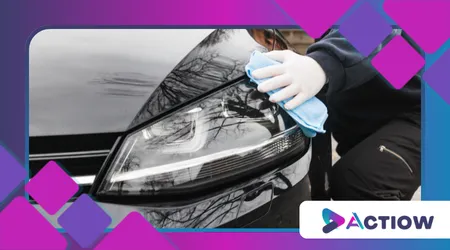
Should You Wax an Electric Car, Here’s a structured overview of the topics we’ll explore:
- What Is Waxing, and Why Consider It for Electric Cars?
- How Does Waxing Work on Electric Vehicles?
- Why Should You Wax Your EV in 2025?
- What Are the Latest Industry Tips for Waxing EVs?
- Real-Life Examples of EV Waxing Success
- Frequently Asked Questions
++ The Future of In-Car Payments: Toll Roads, Gas, and More
What Is Waxing, and Why Consider It for Electric Cars?

Waxing involves applying a protective layer to a car’s exterior paint, typically using carnauba, synthetic, or ceramic-based products.
This creates a barrier against environmental hazards like UV rays, bird droppings, and road salt.
Consequently, for electric cars, which often feature advanced paint finishes to enhance aerodynamics, waxing helps maintain efficiency by keeping surfaces smooth.
++ Engine Oil Changes for Turbocharged Engines: What’s New?
Moreover, unlike internal combustion engines, EVs lack exhaust systems but still face the same external wear.
The paint on models like Tesla or Rivian is engineered for durability, yet without protection, it can fade or scratch over time.
Therefore, waxing isn’t just cosmetic—it’s a preventive measure that extends the vehicle’s aesthetic and resale value.
Furthermore, in 2025’s eco-conscious market, waxing aligns with sustainable ownership.
Many products now incorporate biodegradable formulas, reducing environmental impact while safeguarding your investment.
As a result, EV drivers who wax regularly report fewer touch-ups, making it a practical choice for long-term care.
How Does Waxing Work on Electric Vehicles?
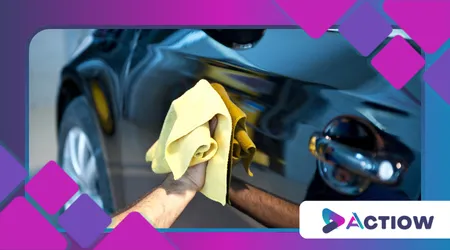
The process starts with a thorough wash to remove contaminants, ensuring the wax adheres properly.
You apply the product in circular motions, let it haze, then buff it off for a glossy finish.
On EVs, focus on avoiding sensitive areas like charging ports to prevent residue buildup.
++ Mazda CX-90 PHEV Review: A New Luxury Challenger?
In addition, modern waxes form a hydrophobic surface, causing water to bead and roll off, which minimizes water spots.
This is particularly useful for EVs parked outdoors, where rain or sprinklers could otherwise leave marks.
Consequently, the wax acts as a shield, reducing the frequency of washes needed.
Additionally, for battery-electric vehicles, waxing doesn’t interfere with underbody components, but always use pH-neutral products to avoid corroding seals.
The application takes about an hour for a standard sedan, with effects lasting 3–6 months depending on climate.
However, combining it with sealants can extend protection up to a year.
Why Should You Wax Your EV in 2025?
Protection against fading is paramount; UV exposure can degrade paint by up to 50% faster without a barrier, according to detailing industry reports.
In 2025, with EVs comprising over 20% of new car sales globally, owners are realizing that unprotected exteriors lead to costly repaints.
Why let your sleek EV lose its luster when a simple wax session can preserve it?
Moreover, waxing enhances resale value by maintaining the car’s appearance, a key factor in used EV markets.
Buyers scrutinize exteriors for signs of neglect, and a well-waxed vehicle signals meticulous care.
As a result, waxed EVs often fetch 5-10% higher prices at trade-in.
Furthermore, it combats urban pollutants; in cities with high air quality issues, wax repels grime, keeping sensors and cameras cleaner for optimal ADAS performance.
This indirect safety benefit underscores waxing’s role in modern EV maintenance.
Ultimately, skipping wax is like ignoring sunscreen on a beach day—temporary comfort leads to long-term damage.
Think of your EV’s paint as human skin: exposed to sun, wind, and dirt daily, it needs lotion (wax) to stay supple and protected, preventing cracks and aging prematurely.
What Are the Latest Industry Tips for Waxing EVs in 2025?
Opt for ceramic-infused waxes; these provide superior durability, lasting up to 12 months, versus traditional carnauba’s 3-4.
In 2025, brands like Ceramic Pro emphasize graphene additives for enhanced heat resistance, ideal for EVs with regenerative braking that generates warmth.
Consequently, apply after a clay bar treatment to remove embedded contaminants first.
Additionally, use touchless application methods; microfiber applicators prevent swirl marks on sensitive EV paints.
Experts recommend quarterly inspections, adjusting based on mileage—high-mileage drivers might wax bi-monthly.
However, avoid automatic car washes post-wax, as harsh chemicals strip the layer prematurely.
Moreover, integrate eco-friendly options; biodegradable waxes from companies like Adam’s Polishes reduce runoff pollution, aligning with EV owners’ green ethos.
Pair with interior detailing for holistic care, ensuring no wax migrates to touchscreens.
As a tip, test a small area first to check compatibility with your EV’s clear coat.
| Wax Type | Durability | Best For EVs | Cost Range (2025) |
|---|---|---|---|
| Carnauba Wax | 3–4 months | Basic protection, natural shine | $20-40 |
| Synthetic Wax | 4–6 months | Easy application, budget-friendly | $15-30 |
| Ceramic Wax | 6–12 months | Advanced UV/heat resistance | $40-80 |
| Graphene Wax | 12+ months | High-tech, sensor-safe | $50-100 |
This table compares popular options, highlighting why ceramic and graphene are gaining traction for EVs.
Real-Life Examples of EV Waxing Success
Example 1: Meet Alex, a software engineer in Seattle with a 2024 Nissan Ariya.
Living in a rainy climate, he noticed water spots dulling his EV’s blue paint after just six months.
After applying a ceramic wax in spring 2025, the hydrophobic effect made rain bead off effortlessly, reducing wash frequency from weekly to bi-weekly.
Over the year, he saved $200 on professional cleanings and reported no new scratches from debris.
In Alex’s experience, the wax not only preserved aesthetics, but also improved aerodynamics slightly by keeping the surface slick.
This real-world tweak turned a maintenance chore into a performance enhancer.
Example 2: Sarah, a teacher in Phoenix, owns a Ford Mustang Mach-E exposed to intense Arizona sun.
Without protection, her white exterior began yellowing faintly by mid-2025.
She opted for graphene wax, applying it quarterly, which blocked 99% of UV rays per product specs.
The result? Her EV retained factory gloss, and at a summer appraisal, it valued $1,500 higher than similar unwaxed models.
Sarah’s approach shows how region-specific tips pay off, turning potential depreciation into sustained value.
Should You Wax an Electric Car: Frequently Asked Questions
| Question | Answer |
|---|---|
| Can waxing damage my EV’s battery or charging port? | No, as long as you avoid direct application near ports; use masking tape for protection during the process. |
| How often should I wax my electric car? | Every 3–6 months, depending on exposure; more frequently in harsh climates like coastal or desert areas. |
| Is ceramic coating better than traditional wax for EVs? | Yes, for longevity and heat resistance, though it’s pricier; start with wax if you’re new to detailing. |
| Does waxing affect my EV’s warranty? | Generally no, but check your manual; most manufacturers encourage protective measures. |
| Can I wax over factory paint protection? | Absolutely, it enhances it; just ensure the surface is clean beforehand. |
| What’s the best wax for matte-finish EVs? | Use matte-specific formulas to avoid unwanted shine; avoid glossy waxes. |
| Is DIY waxing safe for beginners? | Yes, with proper tools; watch tutorials, but pros handle complex jobs better. |
Should you wax an electric car? Absolutely, especially with 2025’s innovations making it easier and more effective.
It safeguards your investment against everyday assaults, ensuring your EV stays as impressive on the outside as its tech is within.
The car wax market is projected to hit nearly $1 billion in 2025, reflecting its proven value in vehicle care.
Additionally, explore why wax remains essential in 2025.
Finally, read about the ultimate EV cleaning guide.